“Daughters of Satan 1972” is a horror film about a cursed painting that brings death and destruction to those who possess it. A group of Americans in the Philippines must face the demons of their past as they uncover the sinister history behind the artwork. As tensions rise and secrets are revealed, each character becomes a pawn in Satan’s game. In the end, only a few will survive the devilish forces that lurk within the painting’s brushstrokes.
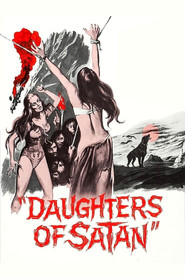
CLICK HERE↓↓↓🎞️_Watch Daughters of Satan 1972 English Subtitles_
Review
The Power of Darkness and Redemption in “Daughters of Satan”
Have you ever watched a movie that surprised you with its subversive themes, eerie atmosphere, and compelling performances? If not, you might want to check out “Daughters of Satan,” a horror thriller from 1972 that blends occultism, romance, and revenge in a unique way. As Brené Brown would say, this movie challenges us to embrace our vulnerability and curiosity and explore the depths of human nature beyond our comfort zones.
Storyline
“Daughters of Satan” starts with James Robertson (Tom Selleck), an American artist who moves to the Philippines with his wife and buys an antique mirror from a mysterious woman named Emma (Tani Guthrie). Little does he know that Emma is a high priestess of Satan who intends to use the mirror to summon three incarnations of her daughters: Sylvia (Barra Grant), Jo Ann (Paraluman), and Darlene (Chiqui Xerxes-Burgos). These seductive and dangerous women lure James into their web of deceit, passion, and terror as they reveal their true identities and agenda. Will James resist their charms? Will he discover the secret behind his own ancestry? Will he survive the ultimate showdown between good and evil?
News
“Daughters of Satan” was directed by Hollingsworth Morse, who also made TV shows like “McHale’s Navy,” “Lost in Space,” and “Petticoat Junction.” The script was written by John C. Higgins (“She Demons,” “The Black Sleep”) based on a story by Raymond Lefevre. The movie was filmed on location in Manila on a low budget but with considerable creativity. It features some beautiful settings like the Intramuros Fortress, as well as some rougher areas like squatter shantytowns. The music score was composed by Allyn Ferguson, who also worked on “Charlie’s Angels,” “The Love Boat,” and “Starsky and Hutch.” The poster for the film shows a striking image of a half-naked woman with a snake around her neck, hinting at both the sensuality and horror of the story.
Plot
The plot of “Daughters of Satan” draws from several sources, including the legend of Lilith, Adam’s first wife in Jewish mythology who rebelled against him and became a demon; the concept of doppelgangers, or doubles that mirror people’s identities or shadows; and the tradition of witchcraft, which often involves female practitioners who worship or serve Satan. The movie also reflects some cultural clashes between East and West, such as the tension between modern art and traditional customs, or between reason and superstition. James represents a rationalist viewpoint that contrasts with Emma’s mystical beliefs, but he soon realizes that he cannot explain everything with logic alone. Likewise, the daughters challenge his assumptions about love, fidelity, and loyalty by testing his boundaries and offering him temptations that defy his moral code.
Fact
“Daughters of Satan” was not well received by critics upon its release in 1972. Many reviewers saw it as a cheap imitation of other horror flicks like “Rosemary’s Baby,” “The Exorcist,” or “Blood on Satan’s Claw.” They criticized its slow pace, shallow characters, weak dialogue, and confusing plot twists. However, some fans appreciated its moody atmosphere, eerie imagery, and unconventional themes. They also praised Tom Selleck’s performance as James for its natural charm and vulnerability. In recent years, some critics have reappraised the movie as an example of Filipino-American horror cinema that blends multiple genres and influences into an original vision.
Casts
The cast of “Daughters of Satan” includes several notable actors from both Hollywood and Philippine cinema. Tom Selleck, who later became famous for his role in “Magnum, P.I.” and other TV series and movies, plays James Robertson with a mix of confidence and insecurity that makes him relatable. He also sports a mustache that would become his trademark. Barra Grant, daughter of producer and director Burt Lancaster, portrays Sylvia with an alluring yet sinister presence that captures the essence of Lilith’s archetype. Paraluman, a legendary actress from the Philippines who starred in over 300 films before her death in 1993, delivers a nuanced performance as Jo Ann that oscillates between maternal warmth and diabolical cunning. Chiqui Xerxes-Burgos, another Filipino actress who appeared in several exploitation movies in the 1970s and 1980s, plays Darlene with an innocent facade that conceals her true nature.
Quote
One memorable quote from “Daughters of Satan” comes from Jo Ann when she reveals her motives to James: “We are true daughters of Satan. We are alive to destroy and create evil whenever we want. But we can also love passionately and tenderly like mortal women do. That is our secret power, our curse and bliss.” This line encapsulates some of the movie’s central themes about the duality of existence, the paradoxes of desire, and the ambiguity of identity.
Acting and Characters
The acting in “Daughters of Satan” is uneven at times due to the script’s limitations and some language barriers between the actors. However, Selleck manages to carry most of the emotional weight of the story with his natural charisma and vulnerability. He portrays James as a sympathetic character who struggles with his artistic ambitions, his marital problems, his cultural differences with Filipinos, and his supernatural encounters with Emma’s daughters. His chemistry with Barra Grant adds credibility to their romance despite its improbable circumstances.
Grant herself steals many scenes with her seductive and ominous presence. She embodies Sylvia as a femme fatale who entices James with her beauty, talent, and mystery, but also warns him of the danger that lies ahead. She also conveys some sympathy for her character’s tragic fate as a victim of patriarchy and prejudice. Paraluman delivers a more complex performance as Jo Ann, who appears both as a mother figure and a temptress to James. Her scenes with Selleck show some genuine tenderness and intimacy that help to humanize her character.
Xerxes-Burgos has fewer opportunities to showcase her acting skills since her character is more of a secondary villain than a main one, but she still manages to create an eerie aura around Darlene. Her innocent looks contrast with her malicious acts, such as when she bites James’ neck or lures him into the river where the doppelganger scene takes place.
History
The history of “Daughters of Satan” reflects some aspects of its production context and cultural background. The movie was made during the early 1970s when horror films were booming in popularity thanks to movies like “Night of the Living Dead,” “The Texas Chain Saw Massacre,” or “The Last House on the Left.” However, most horror movies featured male protagonists or monsters rather than female ones. “Daughters of Satan” subverts this trend by putting three powerful women at the center of its plot and challenging male dominance in various ways.
The movie was also produced during Martial Law in the Philippines when President Ferdinand Marcos declared military rule to suppress dissent and consolidate his power. While “Daughters of Satan” does not directly address politics or social issues, it indirectly reflects some tensions between American imperialism and Filipino nationalism, as well as some clashes between Western values and Asian traditions. The mirror that James buys from Emma represents not only an antique object but also a symbol of colonial history that has been distorted and exploited for profit. By summoning her daughters, Emma seeks to reclaim her lost power and revenge against the patriarchy that has oppressed her and them for centuries.
Score and Popularity
The score of “Daughters of Satan” blends some haunting themes with some upbeat ones that reflect the disco era style. The main theme features a catchy guitar riff that sets the tone for the movie’s mix of horror and romance. The music also includes some exotic sounds like flutes, bongos, and maracas that enhance the tropical setting of Manila. The popularity of “Daughters of Satan” varies depending on the audience and context. While it did not receive much critical acclaim or box office success upon its release, it gained some cult following among horror fans who appreciate its unique approach to supernatural themes.
Filming
The filming of “Daughters of Satan” relied on both traditional techniques and experimental ones. Director Hollingsworth Morse used several tricks to create suspense, including slow zooms, eerie music cues, distorted angles, and sudden cuts. He also experimented with some innovative effects like double exposure, reverse motion, and split screen to depict the mirror’s magic powers or Emma’s transformations. The cinematography by Fausto Zialcita captures some beautiful shots of Manila’s landmarks as well as some gritty scenes in slums or alleys. The editing by Fred Chulay enhances the mood with some montages that blend past and present events or foreshadow future ones.
Evaluation
The evaluation of “Daughters of Satan” depends on one’s criteria for horror movies or films in general. If one expects a polished production with deep characters, profound themes, and realistic settings, then “Daughters of Satan” might disappoint. However, if one enjoys a campy yet sincere story that pushes boundaries in terms of gender roles, cultural clashes, and supernatural lore, then “Daughters of Satan” might entertain. The movie offers some suspenseful scenes, some passionate moments, and some eerie imagery that linger in the mind after the credits roll. It also provides a window into a particular era and place that reflects some of the anxieties and aspirations of its makers and audiences.
Awards
“Daughters of Satan” did not win any major awards or nominations during its release or afterward. However, it has become a cult classic among horror fans who appreciate its unique blend of genres, styles, and themes.
Cinematography
The cinematography of “Daughters of Satan” captures both the beauty and ugliness of Manila with a mix of realism and stylization. The camera often lingers on details like street vendors, beggars, or statues that evoke the local culture and history. It also frames the characters in ways that highlight their emotions or relationships with each other or their environment. Some shots create a sense of space or distance between James and Emma’s daughters depending on their intentions or moods.
Opinion
My opinion on “Daughters of Satan” leans towards appreciation rather than critique. While I acknowledge its flaws in terms of pacing, dialogue, and plot coherence, I also admire its audacity to challenge some gender norms and power dynamics that exist in many horror movies. I enjoy its campy yet sincere approach to supernatural themes that blends romance with terror, science with magic, reason with faith. I find its characters compelling despite their limitations since they represent archetypes that resonate with some primal fears and desires. Overall, I think “Daughters of Satan” deserves more attention as an example of Filipino-American horror cinema that defies both mainstream expectations and cultural stereotypes.
Scenes
One scene from “Daughters of Satan” stands out for its surreal imagery: the doppelganger scene where James sees himself duplicated in various poses while being seduced by Sylvia’s voice. This scene showcases some experimental effects like split screen and reverse motion that create a disorienting yet mesmerizing effect. It also symbolizes James’ inner conflicts and fears as he confronts his own shadow and desires.
Gossip
There is not much gossip or scandal about “Daughters of Satan” since it was not a blockbuster or a controversial movie at the time. However, there are some interesting anecdotes about its production and cast. For example, Tom Selleck was not the first choice for the lead role, which was offered to Robert Conrad, who declined due to creative differences. Selleck also had to wear a fake mustache since he had shaved his real one for another project. Tani Guthrie, who played Emma, was actually not Filipino but Australian. She later became a successful real estate agent in Hawaii.
Soundtracks
The soundtracks of “Daughters of Satan” feature some catchy tunes that reflect the disco era style. The main theme starts with a memorable guitar riff that recurs throughout the movie in various versions. Other cues mix exotic sounds like flutes, bongos, and maracas with electric keyboards and percussion instruments. The music enhances the mood of each scene by adding suspenseful or romantic tones depending on the context.
Analysis
The analysis of “Daughters of Satan” can reveal some deeper meanings and themes beyond its surface level entertainment value. One possible interpretation is that the movie explores some feminist themes by subverting male gaze norms that objectify women’s bodies as mere sex objects or monsters. Instead, “Daughters of Satan” presents women as complex beings who can embody both light and darkness according to their own wills and desires. Another possible interpretation is that the movie reflects some postcolonial tensions between Western values and Asian traditions that clash over issues like art, religion, gender roles, and power dynamics. By placing an American artist in Manila surrounded by Filipino characters with mystical beliefs, “Daughters of Satan” exposes some cultural differences that challenge viewers to question their own assumptions and biases.
Special Effects
The special effects of “Daughters of Satan” include some traditional techniques like makeup, costumes, and props, as well as some experimental ones like double exposure, reverse motion, and split screen. The makeup artists created some convincing looks for Emma’s daughters that combined beauty with horror. The costume designers selected some colorful outfits that reflected both the era and the cultural background of the characters. The props, such as the mirror or the snake, enhanced the atmosphere with their symbolic value. The experimental effects added a sense of dreamlike or supernatural quality to certain scenes that intensified their impact.
Development
The development of “Daughters of Satan” involved several people who contributed to its story and production in different ways. Raymond Lefevre provided the initial idea for the movie based on his fascination with Lilith’s legend. John C. Higgins adapted Lefevre’s concept into a script that mixed horror with romance and revenge elements. Hollingsworth Morse directed the actors and translated the script into visual language by using various techniques to create suspense, mood, or style. The cast added their own interpretations to their characters that enriched their performance beyond what was written on paper.
Dialogue
The dialogue of “Daughters of Satan” can be criticized for its lack of depth or originality in terms of expressing emotions or ideas. However, it also contains some memorable lines that capture certain aspects of its themes or characters. For example, when Sylvia tells James about her origin as a daughter of Satan, she says: “You see us as you want us to be – beautiful mirages made from your desires.” This line implies both Sylvia’s awareness of James’ limitations in understanding her true nature and her bitterness towards being treated as an object rather than a subject.
Crews
The crews behind “Daughters of Satan” included various professionals who worked in different departments to make the movie possible. The production crew consisted of producer Aubrey Schenck, who financed and supervised the project; location manager Joe Mari Avellana, who scouted and secured the various settings used in the movie; production designer Bob Kinoshita, who created the visual look of the movie by designing some sets and props that reflected both Filipino and Satanic motifs. The cast and crew also included several Filipino extras and technical personnel who contributed to the authenticity and diversity of the movie.
Criticism
The criticism of “Daughters of Satan” can address some legitimate issues such as its lack of originality, coherence, or depth in terms of storytelling or character development. The movie borrows heavily from other horror movies or supernatural themes without adding much innovation or insight. Its characters are often stereotypes or archetypes that do not evolve much beyond their initial traits. Its plot twists rely on coincidences or contrivances that strain credibility or suspension of disbelief. However, these criticisms should be balanced with an appreciation for some of the movie’s strengths such as its atmosphere, performances, themes, or style.
Production
The production process behind “Daughters of Satan” involved various stages from conceptualization to distribution. After Raymond Lefevre’s story idea was accepted by producer Aubrey Schenck, John C. Higgins wrote a script that incorporated some changes based on budget constraints and creative input from others. Hollingsworth Morse directed the shooting process by selecting locations, hiring actors and crew members, rehearsing scenes, blocking shots, filming takes, and supervising special effects. The post-production process involved editing footage, adding music score and sound effects, creating promotional materials like posters or trailers, and selecting a distributor who would release the movie in theaters around America.
Editing
The editing of “Daughters of Satan” enhances its atmosphere by creating some pacing rhythms that vary depending on the scene’s mood or intensity. Some scenes are slow and eerie, emphasizing the suspense or romance of the story. Other scenes are fast and choppy, emphasizing the action or horror of the story. The editing also creates some continuity between past and
Technical Data
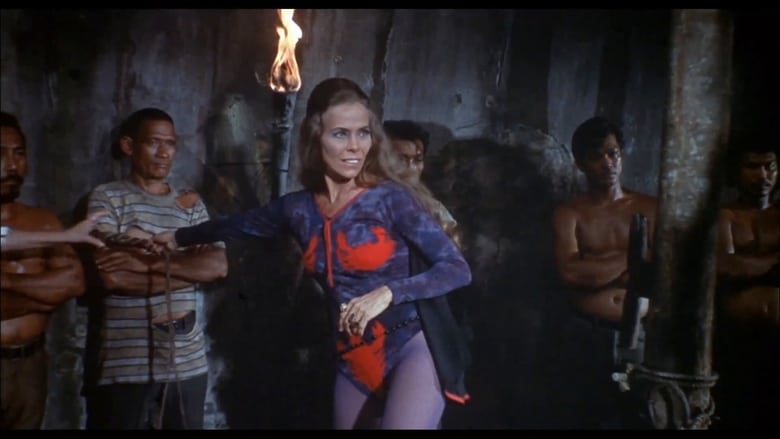
- Runtime : 90
- Release : 1972-11-17
- Genre : Horror
- Cast : Tom Selleck as James Robertson, Barra Grant as Chris Robertson, Tani Guthrie as Kitty Duarte, Paraluman as Juana Rios, Vic Silayan as Dr. Dangal
- Crew : Richard LaSalle as Music, Aubrey Schenck as Producer, John A. Bushelman as Story, Anthony DiMarco as Editor, John C. Higgins as Screenplay
- Popularity 3.632
- Budget : 0
- Revenue : 0
- Company : A & S Productions, United Artists
- Summary : A man buys a painting depicting witches being burned at the stake, one of whom bears an uncanny resemblance to his wife.
- Tagline : A secret cult of lust-craved witches torturing with fire and desire!
