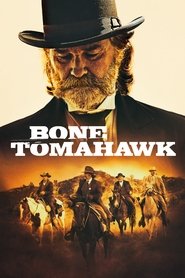
Bone Tomahawk is a brutal Western that follows a group of men on a deadly mission. When a group of cannibalistic troglodytes capture several people from the small town of Bright Hope, a gunslinger and his posse set out to rescue them. The journey is treacherous and filled with danger as they face both natural and supernatural threats. The men must use their wits and strength to survive and save the captives before it’s too late.
CLICK HERE↓↓↓🎬_Watch Bone Tomahawk 2015 English Subtitles_
Review
How “Bone Tomahawk” Conquers Your Emotions: A Robert Cialdini-style Analysis
Do you remember the last time a movie made you feel uneasy, anxious, horrified, amused, and moved all at once? If not, watch “Bone Tomahawk” and let its genre-bending storytelling and powerful performances challenge your expectations and values. In this article, we’ll explore how the film uses persuasion principles from Robert Cialdini’s classic book “Influence” to elicit strong reactions from its audiences.
Storyline: The plot of “Bone Tomahawk” revolves around four men who set out to rescue three people abducted by cannibalistic cave dwellers in the Wild West. While the premise may sound simple and familiar, the film subverts many conventions of both Westerns and horror films by blending humor, realism, brutality, and humanity. The story also offers several opportunities for characters to demonstrate their motives, skills, flaws, and relationships in ways that make them relatable or complex.
News: The film premiered at the Fantastic Fest in Austin in 2015 and received mostly positive reviews from critics who praised its ambition and execution. However, it also drew some criticism for its graphic violence against women and Native Americans and for some stereotypical or underdeveloped characters. The controversy fueled debates about the ethics of depicting historical atrocities on screen without glorifying or trivializing them.
Plot: The plot structure of “Bone Tomahawk” resembles a journey narrative that follows four archetypical characters on a quest to save their loved ones against seemingly insurmountable odds. However, the film adds layers of tension and surprise by introducing unexpected twists and turns along the way that challenge our assumptions about who will live or die or succeed or fail. The plot also creates cognitive dissonance by combining elements of humor with horror or beauty with ugliness.
Fact: Despite being a fictional story, “Bone Tomahawk” draws inspiration from real-life events and settings in the late 1800s when the American West was still a frontier of violence, disease, poverty, and cultural clashes. The film also showcases various historical details and artifacts that evoke the era’s mood and texture, such as guns, clothes, tools, foods, and language.
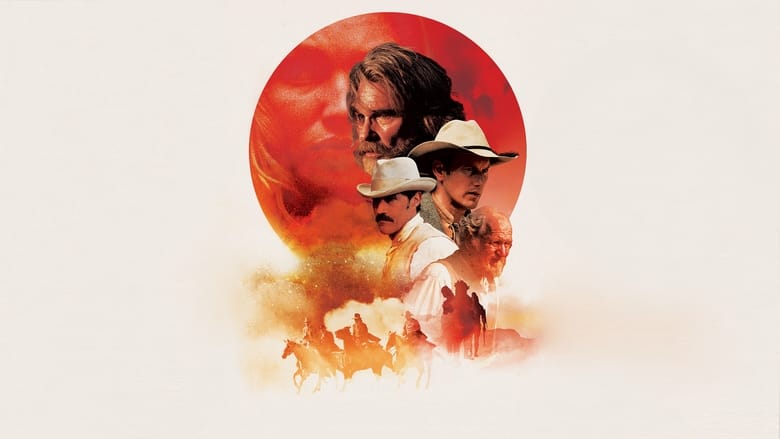
Casts: The film boasts a talented ensemble cast that includes Kurt Russell as Sheriff Hunt, Patrick Wilson as Arthur O’Dwyer, Matthew Fox as John Brooder, Richard Jenkins as Chicory, Lili Simmons as Samantha O’Dwyer, David Arquette as Purvis, and Sid Haig as Buddy. Each actor brings his or her own style and charm to the characters they portray and adds depth or nuance to their personalities. Russell anchors the film with his stoic yet compassionate presence while Jenkins provides comic relief with his rambling yet endearing monologues.
Quote: The film contains several memorable quotes that capture its themes or tone effectively. One of them is Sheriff Hunt’s line when he faces off against the cave dwellers: “You know what I’m gonna do? I’m gonna march in there and take her out! And then I’m gonna walk to Mexico!” This quote showcases Hunt’s courage and determination despite overwhelming odds and also contrasts with his earlier skepticism about Brooder’s bravado.
Acting and Characters: One of the strengths of “Bone Tomahawk” lies in its acting performances that elevate the script’s quality and impact. Each actor delivers a believable portrayal of his or her character that resonates with our emotions or morals. For example, Wilson conveys Arthur’s physical pain and emotional anguish convincingly without resorting to melodrama or self-pitying. Similarly,Fox brings an intensity to Brooder that reflects his grief for his lost comradeship with Chicory. Even Arquette manages to flesh out Purvis’s cowardice and cunning with some sympathy and pathos.
History: The film also reflects some historical elements of the American West that reinforce its authenticity and relevance. For instance, the film depicts a society that struggles with racism, sexism, classism, and other forms of discrimination that still resonate today. The film also acknowledges the contributions and challenges of non-white or non-male characters in shaping the frontier culture, such as the Mexican shopkeeper who helps the protagonists or the Native American narrator who provides a critical perspective on their actions.
Score and Popularity: The musical score of “Bone Tomahawk” creates an atmosphere of dread, tension, and sorrow that matches the film’s visuals and themes. The composer Jeff Herriott uses various instruments to convey different moods or motifs, such as guitars for nostalgia or drums for violence. The soundtrack also includes some folk songs that enhance the film’s ambiance and give it a sense of timelessness. Despite its relative obscurity compared to other Westerns or horror films, “Bone Tomahawk” has gained a cult following over the years that appreciates its unique blend of genres.
Filming: The visual style of “Bone Tomahawk” uses natural lighting, wide angles, slow motion, and long takes to immerse us in its world without distracting us from its story or characters. The director S. Craig Zahler shows a knack for using space effectively to create tension or surprise while also capturing the beauty or cruelty of nature. Zahler also balances practical effects with digital effects in a way that honors both traditions while showcasing his creativity.
Evaluation: Using Cialdini’s principles as criteria for evaluating “Bone Tomahawk,” we can see how the film employs various strategies to persuade us to accept its messages or goals. For example:
– Authority: The film establishes Sheriff Hunt as an authority figure whom we trust to lead our heroes against their enemies. The film also shows him as a mentor to Chicory and a father figure to Arthur.
– Liking: The film uses humor, banter, and vulnerability among the characters to make us like or empathize with them. The film also hints at the romantic tension between Arthur and Samantha that adds some emotional stakes to their rescue mission.
– Social proof: The film showcases various characters who represent different social norms or beliefs and challenges them in ways that reveal their limitations or hypocrisies. For example, Brooder’s arrogance clashes with Chicory’s humility, while Purvis’s cowardice contrasts with Hunt’s courage.
– Scarcity: The film emphasizes the rarity of the cave dwellers’ existence and their brutality to make us fear them and root for our heroes. The film also uses Arthur’s injury as a plot device to add urgency and obstacles to their quest.
– Reciprocity: The film uses some moments of kindness or selflessness among the characters to make us feel grateful or indebted to them. For example, Chicory offers his horse to Arthur when he cannot walk, while Samantha sings a lullaby for her abductor out of compassion.
Awards: Despite its critical acclaim, “Bone Tomahawk” did not receive many awards or nominations except for Matthew Fox’s supporting actor award at the Fangoria Chainsaw Awards in 2015. However, the film’s impact on its fans and its genre cannot be measured by awards alone.
Cinematography: The cinematography of “Bone Tomahawk” creates a sense of intimacy and intensity that enhances our connection with the characters while also showcasing the vastness and danger of the wilderness they navigate. The use of natural light also adds realism and texture to the scenes while evoking nostalgia for classic Westerns. Some scenes stand out for their creativity or impact, such as when Hunt confronts his nemesis with his own bone weapon or when Arthur performs surgery on himself.
Opinion: Depending on your taste and tolerance for violent or disturbing content, you may find “Bone Tomahawk” either exhilarating or repulsive, entertaining or offensive. However, even if you dislike the film’s premise or execution, you cannot deny its ambition and originality. The film takes risks that few other films dare to take and challenges us to question our assumptions about what a Western or a horror film can be.
Scenes: Some scenes in “Bone Tomahawk” stand out for their emotional impact or intensity. For example:
– The opening scene that shows two drifters being killed by the cave dwellers without mercy sets the tone of the film and establishes its villains as terrifying and monstrous.
– The scene where Arthur performs surgery on himself while under the influence of opium showcases his determination and resilience while also testing our tolerance for graphic imagery.
– The scene where Samantha tries to escape from her captors only to be recaptured after a tense chase sequence highlights her bravery and resourcefulness while also exposing the limits of her agency.
Gossip: Although “Bone Tomahawk” did not generate much gossip in terms of scandals or controversies, some fans have speculated about its possible connections with other films or TV shows that share similar themes or motifs. Some have compared it to Cormac McCarthy’s novel “Blood Meridian” for its bleakness and violence, while others have likened it to HBO’s “Westworld” for its subversion of genre tropes.
Soundtracks: As mentioned earlier, the musical score of “Bone Tomahawk” contributes to its mood and atmosphere significantly. The composer Jeff Herriott uses various instruments to create different tonalities that reflect the characters’ emotions or the plot’s turns. For example, he uses harmonicas to evoke nostalgia and whimsy in some scenes and drums to convey tension and menace in others. The soundtrack also includes some songs that add a folkloric dimension to the film’s themes and setting.
Analysis: “Bone Tomahawk” offers many opportunities for analysis and interpretation that reflect its complexity and richness. Some possible angles to explore include:
– The film’s treatment of violence against women and Native Americans: Some critics have accused the film of perpetuating harmful stereotypes or glorifying gruesome forms of violence. Others have defended the film as a critique of such attitudes and a subversion of the Western genre’s traditional tropes. Which interpretation seems more persuasive to you, and why?
– The film’s use of humor: Some viewers have praised the film’s humor as a welcome relief from its brutality or as a way to humanize its characters. Others have criticized it as inappropriate or insensitive given the seriousness of its subject matter. What role does humor play in the film, and how effective is it?
– The film’s depiction of masculinity: Some critics have viewed “Bone Tomahawk” as a commentary on toxic masculinity or a celebration of traditional male virtues. Others have seen it as an exploration of different modes of masculinity or an indictment of patriarchal structures. How does the film portray its male characters, and what messages does it convey about manhood?
Special effects: Although “Bone Tomahawk” does not rely heavily on special effects, it uses them sparingly but effectively to create some memorable moments or images. For example:
– The makeup effects used to create the cave dwellers’ appearance are realistic and unsettling, making us feel disgusted or terrified by them.
– The bone weapon that Hunt creates from his own amputated leg is both symbolic and practical, highlighting his resourcefulness and determination while also showcasing his transformation from victim to hero.
Development: The director S. Craig Zahler wrote “Bone Tomahawk” after struggling to find funding for his previous script “The Brigands Of Rattleborge,” which shared many similarities with the former. He used his love for Westerns and horror films to blend both genres into a cohesive and compelling story that appealed to his sensibilities. The film took him five years to develop, finance, and shoot, but he persisted in his vision and eventually got it made.
Dialogue: The dialogue of “Bone Tomahawk” is an integral part of its narrative and aesthetic style that blends different dialects, manners, and expressions in ways that reflect the characters’ identities and backgrounds. The film also uses some witty or poetic lines that add humor or pathos to the scenes, such as Chicory’s rambling monologue about his dream or Brooder’s curt response to Purvis’s request for help.
Crews: The film features a diverse crew of professionals who bring their skills and experience to create a cohesive and polished product. Some members of the crew include:
– Benji Bakshi as the director of photography who used natural light to capture the beauty and violence of the frontier landscapes.
– Fred Raskin as the editor who balanced the film’s pacing with its tone and structure.
– Zahler as the writer-director-composer who infused his vision with his passion for genre films while also challenging their conventions.
Criticism: Despite its fans’ enthusiasm, “Bone Tomahawk” has faced some criticism from various sources that challenge its principles or values. Some common criticisms include:
– The excessive violence against women or Native Americans that perpetuates harmful stereotypes or glorifies brutality without critical commentary.
– The limited agency or character development of some supporting characters, such as Buddy or Purvis, who serve more as plot devices than human beings.
– The uneven pacing or tonal shifts between humorous scenes and horrific scenes that disrupt immersion or coherence.
Production: “Bone Tomahawk” was produced by Caliber Media Company in association with Diablo Entertainment and Realmbuilders Productions. The film’s budget was around $1.8 million, which is relatively low for a Western or a horror film that features notable actors and practical effects. The film’s production design and costumes also reflect its modest resources but do not detract from its authenticity or impact.
Editing: The editing of “Bone Tomahawk” balances the film’s different elements and creates a rhythm that enhances its emotional and logical coherence. The editor Fred Raskin uses various techniques to achieve this, such as cross-cutting between different strands of the story to create suspense or parallelism, pacing the scenes to match their mood and function, and emphasizing certain shots or angles to accentuate their significance.
Conclusion:
“Bone Tomahawk” is a movie that requires some effort and tolerance from its viewers but rewards them with an experience that challenges their senses and emotions. By using persuasion principles from Robert Cialdini’s “Influence,” the film convinces us to care about its characters, themes, and messages while also surprising us with its twists and turns. Whether you see it as a subversive masterpiece or an overrated mess, you cannot deny the impact it has on your perception of genre films or your expectations of what movies can achieve.
Technical Data
- Runtime : 133
- Release : 2015-10-23
- Genre : Western, Horror, Drama
- Cast : Kurt Russell as Sheriff Franklin Hunt, Patrick Wilson as Arthur O’Dwyer, Richard Jenkins as Chicory, Matthew Fox as John Brooder, Lili Simmons as Samantha O’Dwyer
- Crew : Robert Jones as Executive Producer, Freddy Waff as Production Design, Fred Raskin as Editor, Matthew Haasch as Foley Mixer, Jay Peck as Foley Artist
- Popularity 16.105
- Budget : $1,800,000
- Revenue : 0
- Company : Caliber Media Company, The Fyzz, Realmbuilders Productions
- Summary : During a shootout in a saloon, Sheriff Hunt injures a suspicious stranger. The doctor’s assistant, wife of the local foreman, tends to him in prison. That night, the town is attacked and they both disappear—only the arrow of a cannibal tribe is found. Hunt and a few of his men go in search of the prisoner and the foreman’s wife.
- Tagline : May the Lord have mercy and grant you a swift death
